







Spotlights
Jewelry Maker, Goldsmith, Silversmith, Bench Jeweler, Metalsmith, Custom Jewelry Designer, Jewelry Repair Technician, Stone Setter, CAD Jewelry Designer, Jewelry Appraiser, Fine Jewelry Designer, Jewelry Fabricator
An engagement ring passed down for three generations, a pair of earrings that makes someone feel unstoppable, a custom pendant holding a loved one's initials close to the heart—Jewelry Designers create the small objects people wear every day that carry the biggest meaning. Part artist and part craftsperson, they turn raw metal and stone into pieces built to last a lifetime.
Jewelry Designers sketch original concepts, select gemstones and metals, and then often build the piece themselves at the bench, sawing, soldering, filing, and polishing until a design becomes a wearable object. Many also cut wax models, set stones by hand, size rings, and repair heirloom pieces, working closely with gemologists, casters, stone setters, and clients who want something made just for them. Whether designing a one-of-a-kind bridal set or a full collection for a retail line, they balance imagination with the physical reality of what metal and stone can actually do.
Using tools like torches, saws, files, CAD software such as Rhino or Matrix, 3D printers for wax models, and gem-setting equipment, Jewelry Designers combine centuries-old craft techniques with modern technology. Their work matters because jewelry is rarely just decoration; it marks engagements, honors memories, and becomes part of a family's story for generations.
- Turning raw metal and stone into a wearable piece of art with your own hands
- Creating objects that mark milestones and carry deep emotional meaning for clients
- Blending fine art, precision craftsmanship, and problem-solving in every project
- Building a signature style or running your own independent jewelry line
Working Schedule
Most Jewelry Designers work full-time, though schedules vary widely depending on setting. Those employed by retail jewelers or repair shops often keep regular store hours with some weekend work, while designers running independent studios or preparing for craft shows and holiday seasons may work long, irregular hours around deadlines. The work happens mostly at a jeweler's bench in a studio or workshop, with occasional client meetings for custom orders and consultations. Some jewelers freelance or sell through their own online shop, while others work on staff for a design house, retailer, or manufacturer.
Typical Duties
- Sketching original jewelry designs by hand or in CAD software
- Selecting metals, gemstones, and materials for each piece
- Cutting, filing, and shaping metal to build a piece from scratch
- Soldering and assembling components using a jeweler's torch
- Carving or 3D printing wax models for casting
- Setting gemstones securely using prong, bezel, pave, or channel techniques
- Polishing and finishing pieces to a professional shine
- Sizing rings and repairing broken clasps, chains, or settings
- Meeting with clients to design custom engagement rings or heirloom pieces
- Appraising or documenting pieces for insurance and authentication purposes
- Maintaining and calibrating bench tools, torches, and casting equipment
- Sourcing gemstones and metals from trusted suppliers
Additional Responsibilities
- Photographing finished pieces for a portfolio or online shop
- Managing inventory of metals, findings, and loose stones
- Pricing pieces based on materials, labor, and market rates
- Marketing a personal brand or collection on social media
- Training apprentices or junior bench jewelers
- Maintaining safety practices around torches, chemicals, and machinery
- Keeping up with certifications in gemology or appraisal
- Managing custom order timelines and client communication
A Jewelry Designer's morning might start at the bench, picking up where yesterday's soldering left off on a custom engagement ring. They check the torch, flux the joint, and carefully heat the metal until it flows, then quench and inspect the seam under a loupe before moving to the next step.
Midday often includes a client consultation, sketching design options for a couple choosing their wedding rings, or reviewing a CAD rendering before it goes to casting. The designer might also spend an hour setting stones under a microscope, using tiny hand tools to press prongs securely around a gemstone without chipping it.
In the afternoon, they might polish and finish a batch of pieces, package an online order, or repair a customer's broken clasp while they wait. Before closing the studio, the designer updates their order list, photographs a finished piece for their portfolio, and sketches an idea that came to them mid-project.
Soft Skills
- Patience and steady hands for detailed, precise work
- Creativity and a strong personal design sense
- Problem-solving when a design does not go as planned
- Communication skills for client consultations and custom orders
- Attention to detail in construction and finishing
- Time management across multiple custom orders
- Business sense for pricing, sourcing, and selling work
- Resilience when a piece requires rework or repair
- Comfort with repetitive, precision tasks
- Collaboration with casters, setters, and suppliers
- Customer service and trust-building with clients
- Adaptability when working with unfamiliar metals or stones
Technical Skills
- Metalworking techniques including sawing, filing, and forging
- Soldering and torch work
- Wax carving and CAD design software such as Rhino or Matrix
- 3D printing for wax and resin models
- Gemstone identification and setting techniques
- Polishing, finishing, and plating processes
- Ring sizing and jewelry repair
- Casting processes, including lost-wax casting
- Use of precision tools like loupes, calipers, and micro torches
- Basic gemology and metal alloy knowledge
- Fine Jewelry Designer: Works with precious metals and gemstones for high-end pieces
- Custom and Bridal Jewelry Designer: Specializes in engagement rings and personalized commissions
- Bench Jeweler and Goldsmith: Focuses on hands-on fabrication, repair, and stone setting
- Stone Setter: Specializes in securing gemstones into settings with precision
- CAD Jewelry Designer: Creates digital models for casting and mass production
- Costume and Fashion Jewelry Designer: Designs trend-driven pieces using mixed materials
- Jewelry Repair Technician: Focuses on restoring and fixing damaged or heirloom jewelry
- Gemologist-Designer: Combines gem grading expertise with original design work
- Independent jewelry design studios
- Fine jewelry design houses
- Retail jewelry stores and chains
- Custom bridal and engagement ring studios
- Jewelry manufacturers and casting houses
- Gemstone and precious metal suppliers
- Auction houses and estate jewelry dealers
- Museums and conservation departments
- Fashion and costume jewelry brands
- Online and direct-to-consumer jewelry brands
- Jewelry repair and appraisal shops
- Trade guilds and professional associations
Jewelry Designers work with expensive, sometimes irreplaceable materials, which means every cut, solder joint, and stone setting has to be right the first time. A single mistake on a client's heirloom piece or custom engagement ring can be costly and stressful to fix, so precision under pressure is part of the job.
Bench work is physically demanding in small, repetitive ways: hours hunched over a workbench, close focus under magnification, and exposure to heat, flame, and chemicals like pickling solution. Building steady hands and eye stamina takes years of practice, and early-career jewelers often start with detailed, unglamorous prep work before they earn creative freedom.
Financial stability can be unpredictable, especially for independent designers who depend on custom orders, craft fairs, or seasonal sales spikes around holidays and wedding season. Many successful jewelers balance the creative freedom of running their own brand with the discipline of tracking material costs and managing cash flow.
- Growth of CAD and 3D printing for faster prototyping and custom orders
- Rising demand for lab-grown diamonds and gemstones
- Increased focus on ethically sourced and recycled metals
- Direct-to-consumer sales through social media and online shops
- Strong demand for custom and bespoke engagement rings
- Adoption of laser welding for precision repairs
- Growth of personalized and engraved jewelry
- Interest in vintage, upcycled, and heirloom redesign work
- Expansion of ethical sourcing certifications and supply chain transparency
- Use of augmented reality for virtual try-on of custom designs
Many Jewelry Designers grew up making things with their hands, from friendship bracelets and beaded jewelry to sculptures, model building, or crafts with found materials. They often had a fascination with rocks, gemstones, or shiny objects and loved collecting or examining them closely.
Others gravitated toward art classes, metal or woodshop, or tinkering with small mechanical objects like watches or locks. A combination of artistic vision and hands-on patience, plus a love of tiny, detailed work that most people overlook, often pointed toward this path early on.
Many Jewelry Designers train through certificate or associate degree programs in jewelry making, metalsmithing, or gemology, though some pursue a bachelor's degree in fine arts or jewelry design for more advanced design and business training. Hands-on bench experience matters enormously in this field, and many jewelers build their skills through apprenticeships under an experienced goldsmith, learning techniques that are difficult to master from books alone.
Students can take courses in relevant subjects such as:
- Metalsmithing and Fabrication Techniques
- Gemology and Gemstone Identification
- Jewelry CAD Design
- Wax Carving and Casting
- Stone Setting Techniques
- Jewelry Repair and Restoration
- Art and Design Fundamentals
- Small Business and Pricing for Makers
- Jewelry History and Cultural Traditions
- Metallurgy and Alloy Properties
Hands-on practice at a bench is essential, and many aspiring jewelers seek internships, apprenticeships, or entry-level bench positions to build muscle memory for soldering, filing, and setting. A strong portfolio of finished pieces, showing both design sense and technical execution, matters as much as any diploma when applying for jobs or launching an independent line. Certification through organizations like the Gemological Institute of America can add credibility, especially for jewelers who plan to work with fine gemstones or offer appraisals.
- Take art, jewelry making, or metals classes if your school offers them
- Learn basic metalworking or take a community jewelry-making class
- Practice sketching original jewelry designs in a sketchbook
- Experiment with beading, wire wrapping, or simple metal stamping at home
- Visit local jewelers or craft fairs and talk to working jewelers
- Research gemology and metalsmithing certificate programs
- Take chemistry classes to understand metal properties and reactions
- Learn basic CAD software to explore digital jewelry design
- Enter art or craft competitions to build a portfolio
- Look for summer workshops at art centers or jewelry schools
- Practice photographing your work to start building a portfolio early
- Take small business or entrepreneurship classes if you hope to sell your own designs
- Well-equipped studios with torches, casting equipment, and stone-setting tools
- Instructors with real bench and industry experience
- Curriculum covering both fabrication and CAD design
- Strong gemology component, ideally with GIA-aligned coursework
- Opportunities for apprenticeships or mentorships with working jewelers
- Small class sizes for hands-on, individualized instruction
- Access to a well-stocked metals and gemstone supply room
- Business and pricing coursework for those planning to freelance
- A final capstone collection or portfolio review
- Career placement support or industry connections
- Safety training for torches, chemicals, and machinery
- Flexible scheduling if you plan to work while studying
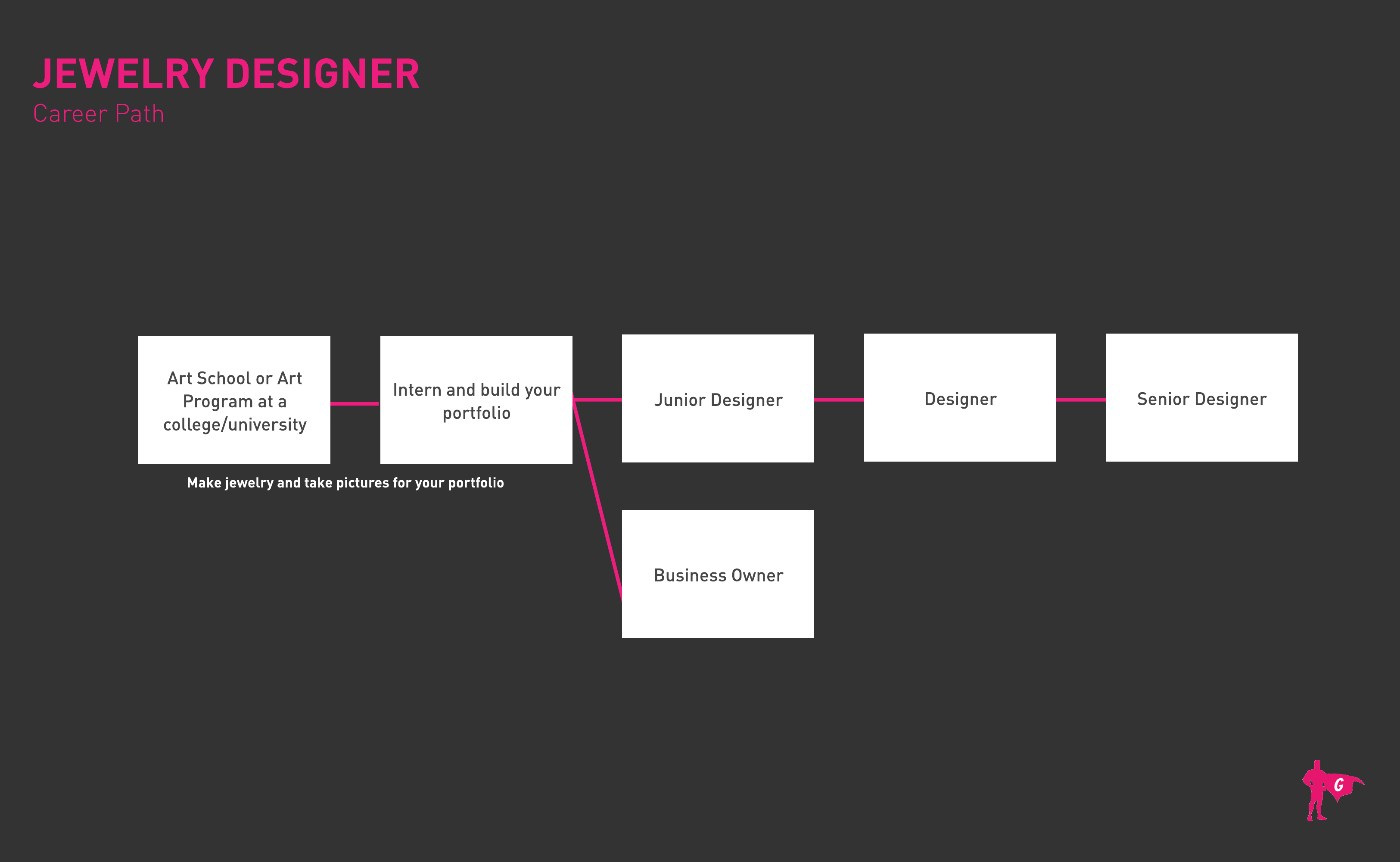
- Build a portfolio of finished pieces that show range and technical skill
- Apply for entry-level titles like Bench Jeweler Apprentice, Jewelry Assistant, or Repair Technician
- Seek an apprenticeship with an experienced goldsmith or jewelry studio
- Sell early pieces at local craft fairs or online marketplaces to build experience
- Network with jewelers through trade associations and local guilds
- Offer to help with repairs or stone setting to get bench time
- Attend trade shows to meet suppliers, casters, and potential employers
- Consider working in a retail jewelry store to learn the business side
- Highlight both design and hands-on fabrication skills in interviews
- Practice explaining your process and materials clearly to clients
- Pursue a gemology certification to strengthen your credentials
- Be open to starting with repair or production work before custom design
- Maintain the highest level of quality in your work
- Continuing education in a relevant field, such as getting an Associate in Fine Arts
- Become a member of organizations and committees in your industry
- Stay up to date on the latest jewelry and design innovations.
- Master advanced techniques like intricate stone setting and hand engraving
- Build a reputation for precision, reliability, and creative custom work
- Develop a recognizable personal style or signature collection
- Take on more complex custom and bridal commissions
- Pursue advanced certifications in gemology or appraisal
- Move into head jeweler, design director, or studio owner roles
- Build direct relationships with clients, casters, and gemstone suppliers
- Mentor apprentices and junior bench jewelers
Websites:
- Gemological Institute of America (GIA) - gia.edu
- Jewelers of America - jewelers.org
- American Gem Society - americangemsociety.org
- American Gem Trade Association (AGTA) - agta.org
- Ganoksin - ganoksin.com
- Manufacturing Jewelers & Suppliers of America (MJSA) - mjsa.org
- Society of North American Goldsmiths (SNAG) - snagmetalsmith.org
- Rio Grande Jewelry Supply and Education - riogrande.com
- JCK - jckonline.com
- National Association of Jewelry Appraisers - najaappraisers.com
- Responsible Jewellery Council - responsiblejewellery.com
- Metalsmith Society - metalsmithsociety.com
- Instructables Jewelry Projects - instructables.com
- Etsy Seller Handbook - etsy.com/seller-handbook
Books:
- The Complete Metalsmith: An Illustrated Handbook by Tim McCreight
- Silversmithing by Rupert Finegold and William Seitz
- Gemstones of the World by Walter Schumann
- The Jewelry Repair Manual by R. Allen Hardy and John J. Bowman
- The Curious Lore of Precious Stones by George Frederick Kunz
If you find that being a Jewelry Designer isn't the right fit, your skills in metalworking, gemstones, and design transfer well to many related careers.
- Gemologist
- Watchmaker
- Metal Sculptor
- Fashion Accessories Designer
- Jewelry Appraiser
- Silversmith
- Antique and Estate Jewelry Dealer
- Costume Jewelry Designer
- CAD Product Designer
- Museum Conservation Technician
Newsfeed

Featured Jobs
Online Courses and Tools
Annual Salary Expectations
New workers start around $39K. Median pay is $56K per year. Highly experienced workers can earn around $73K.
Annual Salary Expectations
New workers start around $45K. Median pay is $54K per year. Highly experienced workers can earn around $72K.
Annual Salary Expectations
New workers start around $47K. Median pay is $56K per year. Highly experienced workers can earn around $67K.
Annual Salary Expectations
New workers start around $43K. Median pay is $54K per year. Highly experienced workers can earn around $70K.