






Spotlights
Crime Lab Technician, Forensic Analyst, Crime Scene Technician, Forensic Science Specialist, Evidence Technician, Forensic Investigator, Crime Scene Analyst, DNA Analyst, Forensic Chemist, Digital Forensic Technician, Ballistics Technician, Toxicology Technician
Every crime story you see on TV or read about in the news involves clues that need to be uncovered and analyzed to solve mysteries and bring justice. Forensic Science Technicians play a critical role behind the scenes, turning physical evidence into scientific proof that can help catch criminals or exonerate the innocent.
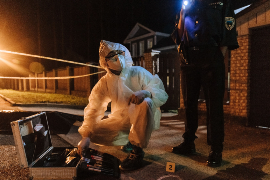
Forensic Science Technicians collect, analyze, and interpret evidence from crime scenes, working alongside detectives, law enforcement officers, and legal professionals. Their daily tasks include processing fingerprints, examining DNA samples, testing substances for toxins or chemicals, and preparing detailed reports that explain their findings. They help build strong cases by ensuring every piece of evidence is scientifically valid and ready for court presentations.
Using advanced laboratory tools and techniques such as microscopes, chemical analyzers, and DNA sequencers, Forensic Science Technicians apply scientific methods to uncover facts hidden in evidence. Their work is crucial because it connects scientific data to real-world crimes, helping juries and judges understand the truth and make fair decisions.
- Contributing to justice by helping solve crimes and support victims.
- Using scientific skills to uncover hidden clues and make sense of complex evidence.
- Working on varied and challenging cases that require problem-solving and attention to detail.
- Being part of a team that includes law enforcement, attorneys, and medical experts, all working toward truth and safety.
Working Schedule
Forensic Science Technicians often work full-time in laboratory or field settings, sometimes putting in extra hours when urgent cases or court deadlines arise. The work environment can vary from sterile labs to active crime scenes, requiring flexibility and a calm demeanor under pressure. Many technicians work for government agencies, but some may be employed by private labs or law enforcement units.
Typical Duties
- Collect and preserve physical evidence from crime scenes following strict protocols.
- Analyze biological samples such as blood, hair, and bodily fluids for DNA profiling.
- Perform chemical tests on substances to identify drugs, poisons, or explosives.
- Process fingerprints and compare them against databases for identification.
- Prepare detailed written reports and document laboratory procedures.
- Test firearms and ballistics to match bullets and casings to weapons.
- Use microscopes and other instruments to examine trace evidence like fibers or glass.
- Assist in reconstructing crime scenes based on evidence analysis.
- Maintain and calibrate laboratory equipment and ensure safety standards.
- Present findings as expert witnesses during criminal trials or hearings.
- Collaborate with law enforcement to interpret scientific results in context.
- Stay current with new forensic technologies and methods through ongoing education.
Additional Responsibilities
- Manage and catalog evidence storage securely to maintain chain of custody.
- Train new technicians or interns in forensic procedures and laboratory practices.
- Participate in quality control and accreditation processes for forensic labs.
- Coordinate with prosecutors and defense attorneys to clarify scientific results.
- Conduct research to improve forensic techniques and protocols.
- Attend workshops, conferences, and seminars to stay updated on legal and scientific developments.
- Develop new testing methods to address emerging forensic challenges.
- Support cold case investigations with reanalysis of old evidence.
A typical day begins by reviewing case files and evidence logs to plan work priorities and testing schedules. Morning hours might be spent preparing samples for analysis and calibrating laboratory instruments to ensure accuracy.
Midday work involves running tests using microscopes, chemical assays, or DNA sequencing machines. Technicians carefully document each step to maintain reliable records and may collaborate with detectives or attorneys to discuss preliminary findings.
Afternoons are often dedicated to interpreting data, writing detailed reports, and preparing evidence for court presentations. Some days include visits to crime scenes for evidence collection or providing expert testimony in judicial settings, requiring clear communication and confidence.
Soft Skills
- Attention to detail
- Critical thinking
- Problem-solving
- Communication skills
- Teamwork and collaboration
- Patience and perseverance
- Ethical judgment
- Time management
- Adaptability
- Observation skills
- Stress management
- Curiosity and eagerness to learn
Technical Skills
- Microscopy
- DNA analysis techniques
- Chemical testing methods
- Fingerprint analysis
- Forensic photography
- Evidence collection and preservation
- Laboratory safety and protocols
- Ballistics analysis
- Report writing software
- Data management systems
- Crime Scene Technician: Focuses on collecting and documenting evidence directly from crime scenes.
- Forensic DNA Analyst: Specializes in extracting and interpreting genetic material for identification.
- Toxicology Technician: Tests bodily fluids and tissues for presence of drugs, poisons, or alcohol.
- Ballistics Technician: Examines firearms, ammunition, and bullet trajectories.
- Digital Forensic Technician: Recovers and analyzes data from electronic devices.
- Forensic Chemist: Analyzes chemicals and materials to identify unknown substances.
- Trace Evidence Analyst: Studies small physical materials like hair, fibers, and glass.
- Forensic Document Examiner: Investigates handwriting and document authenticity.
- Local and state police departments
- Federal law enforcement agencies (FBI, DEA, ATF)
- Crime laboratories
- Medical examiner or coroner offices
- Private forensic consulting firms
- Universities and research institutions
- Legal and public defender offices
- Forensic toxicology labs
- Firearms and ballistics labs
- Environmental crime units
- Digital forensics companies
- Emergency response agencies
Forensic Science Technicians often face high-pressure situations, especially when working on violent crimes or cases with tight court deadlines. Accuracy and thoroughness are critical because mistakes can affect legal outcomes significantly.
Work hours can extend beyond the typical 9-to-5 schedule, including nights or weekends, especially when urgent evidence needs processing or when testifying in court. Flexibility and stamina are important.
This career demands emotional resilience because technicians may handle disturbing evidence or crime scenes involving violence or tragedy. Maintaining professionalism and focus under these conditions is essential.
- Increasing use of DNA and genetic genealogy in solving cold cases.
- Advancements in digital forensics for cybercrime investigations.
- Automation and AI tools for faster evidence analysis.
- Improved chemical analysis techniques for detecting synthetic drugs.
- Enhanced 3D crime scene reconstruction technologies.
- Growing emphasis on accreditation and quality assurance in forensic labs.
- Integration of forensic databases across jurisdictions for better information sharing.
- Expansion of forensic specialties such as forensic anthropology and entomology.
- Development of portable forensic equipment for field analysis.
- Greater collaboration between forensic scientists and legal professionals.
Many Forensic Science Technicians enjoyed science classes, especially biology and chemistry, displaying curiosity about how things work and a fascination with solving puzzles or mysteries.
Early interests often include collecting and categorizing natural objects (like rocks or insects), playing detective games, or experimenting with simple science kits. They tend to be detail-oriented and love hands-on learning experiences.
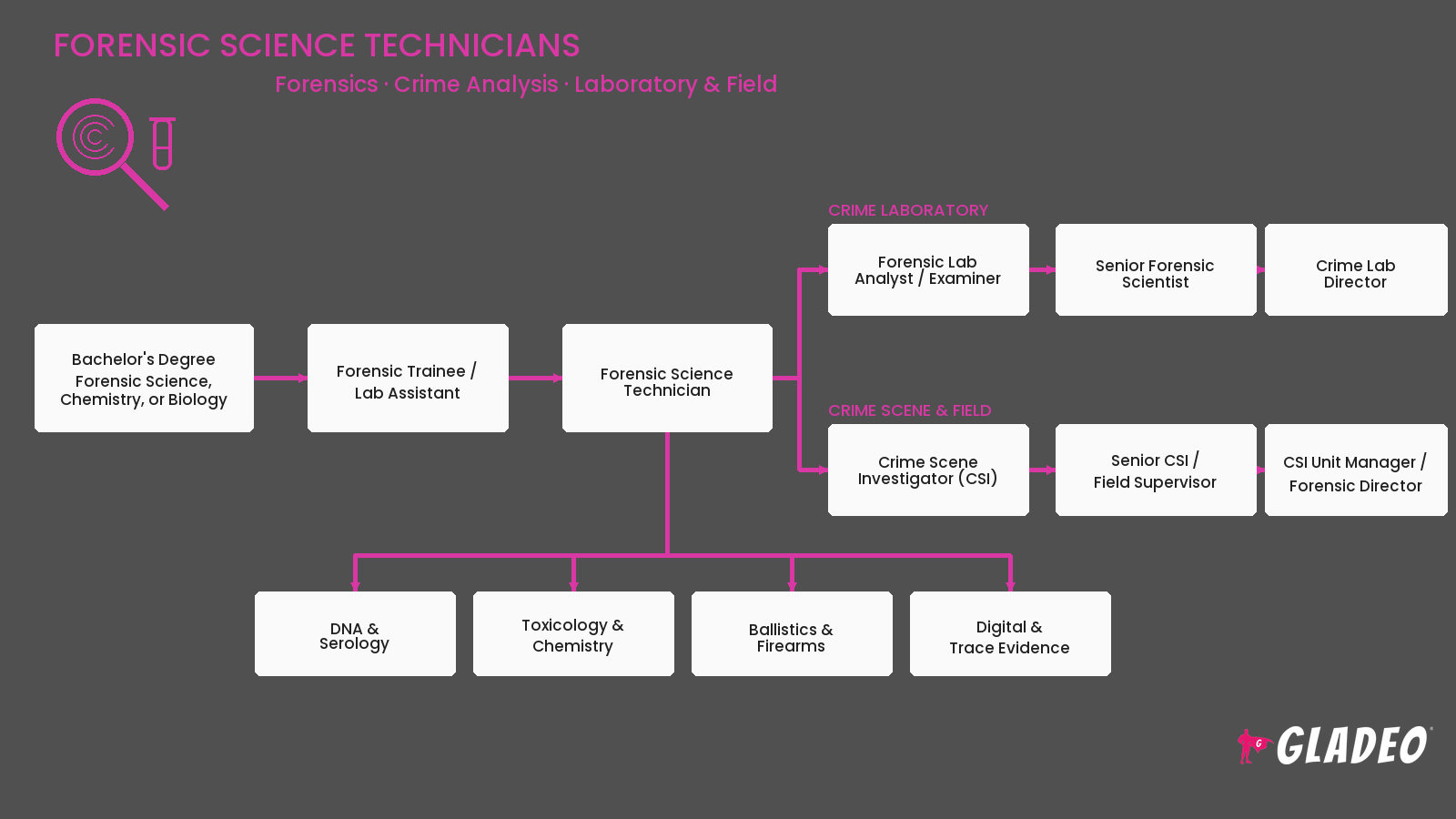
Becoming a Forensic Science Technician typically involves completing a bachelor’s degree in forensic science, biology, chemistry, or a related scientific field. Some positions may accept an associate degree combined with relevant experience, but higher education generally opens more opportunities. Hands-on training and internships are crucial to developing practical skills.
Students can take courses in relevant subjects such as:
- Biology and microbiology
- Chemistry and organic chemistry
- Physics fundamentals
- Forensic science and criminalistics
- Statistics and data analysis
- Anatomy and physiology
- Criminal justice overview
- Laboratory safety and procedures
- DNA analysis techniques
- Evidence collection and crime scene investigation
Students should focus on building a strong foundation in science and math while gaining laboratory experience through internships, volunteer work, or forensic clubs. Developing a professional portfolio with documented projects and reports can help during job applications. On-the-job training complements classroom learning and helps technicians stay current with evolving technologies.
- Take advanced science courses, especially biology, chemistry, and physics.
- Join science clubs or forensic-themed extracurricular activities.
- Volunteer or intern at local crime labs or law enforcement agencies.
- Develop strong writing and communication skills for report preparation.
- Participate in mock trials or debate clubs to understand legal processes.
- Practice critical thinking and problem-solving through puzzles and science projects.
- Attend career fairs and connect with forensic professionals.
- Explore summer camps or workshops focused on forensic science.
- Learn basic computer skills and data management.
- Prepare for college entrance exams focusing on STEM subjects.
- Seek mentorship from teachers or professionals in forensic science.
- Stay informed about current events related to crime and justice.
- Choose programs accredited by recognized forensic science organizations.
- Look for degrees offering hands-on lab experience and internships.
- Verify faculty expertise and connections to forensic labs or agencies.
- Check for updated curriculum covering the latest forensic technologies.
- Consider programs with small class sizes for personalized training.
- Explore opportunities for interdisciplinary studies combining science and law.
- Assess availability of specialized tracks like DNA analysis or toxicology.
- Review success rates of graduates in job placement or law enforcement roles.
- Confirm access to modern laboratory equipment and software.
- Seek programs offering certification preparation or professional networking.
- Evaluate program support for research projects or forensic competitions.
- Ensure the program emphasizes ethics and legal standards in forensic work.
- Apply for internship or volunteer positions at local crime labs or police departments.
- Build a portfolio showcasing lab work, research projects, and coursework.
- Seek entry-level roles such as Evidence Technician or Crime Scene Assistant.
- Network with forensic professionals through industry events or social media.
- Prepare for interviews by studying common forensic science questions and case studies.
- Gain proficiency in laboratory instruments and software through training.
- Obtain certifications relevant to forensic specialties if available.
- Demonstrate strong attention to detail and reliability in all tasks.
- Participate in continuing education workshops or online courses.
- Request mentorship from experienced forensic technicians.
- Stay flexible and willing to work varied shifts or locations.
- Keep updated on forensic science advancements and legal requirements.
- Develop expertise in specialized forensic areas such as DNA analysis or ballistics.
- Pursue advanced degrees or certifications to qualify for senior or supervisory roles.
- Build strong relationships with law enforcement, legal professionals, and forensic scientists.
- Take leadership roles in laboratory quality control or training programs.
- Contribute to research publications or forensic conferences.
- Seek opportunities to testify as an expert witness in court.
- Transition into forensic consulting or management positions.
- Stay adaptable to new technologies and investigative methods.
Websites:
- American Academy of Forensic Sciences – www.aafs.org
- National Forensic Science Technology Center – www.nfstc.org
- Society of Forensic Toxicologists – www.soft-tox.org
- International Association for Identification – www.theiai.org
- Forensic Science Education Programs Accreditation Commission – www.fepac-edu.org
- Crime Scene Investigator Network – www.crimescenenetwork.com
- National Institute of Justice Forensics – www.nij.gov/topics/forensics
- Forensic Magazine – www.forensicmag.com
- Society of Crime Scene Reconstruction – www.societyforcriminology.org
- Scientific Working Group on Digital Evidence – www.swgde.org
- Federal Bureau of Investigation Forensic Services – www.fbi.gov/services/laboratory
- The Innocence Project – www.innocenceproject.org
- American Society of Crime Laboratory Directors – www.ascld.org
- Forensic Science International – www.journals.elsevier.com/forensic-science-international
Books:
- Forensic Science: From the Crime Scene to the Crime Lab by Richard Saferstein
- Criminalistics: An Introduction to Forensic Science by Richard Saferstein
- Introduction to Forensic Science and Criminalistics by Robert E. Gaensslen
- Forensic Chemistry by Suzanne Bell
- Forensic Science Handbook edited by Richard Saferstein
If a career as a Forensic Science Technician doesn’t work out or if you want to explore related fields, there are many options that use similar skills in science, investigation, and law enforcement.
- Crime Scene Investigator
- Laboratory Technician
- Criminal Investigator
- Digital Forensic Analyst
- Environmental Scientist
- Police Officer
- Medical Laboratory Technician
- Forensic Psychologist Assistant
- Toxicologist
- Legal Assistant
Newsfeed

Featured Jobs
Online Courses and Tools