







Spotlights
Substance Abuse Counselor, Addiction Recovery Specialist, Chemical Dependency Counselor, Drug and Alcohol Counselor, Recovery Coach, Behavioral Health Counselor, Substance Use Disorder Counselor, Addiction Therapist, Rehabilitation Counselor, Recovery Support Specialist, Case Manager (Addiction Services), Treatment Program Coordinator, Clinical Addiction Specialist, Recovery Advocate
Addiction can affect people from all walks of life. It may involve alcohol, illegal drugs, prescription medications, gambling, or other behaviors that become difficult to control. While addiction often begins as a way to cope with stress, trauma, or other challenges, it can gradually impact a person's health, relationships, education, career, and overall quality of life.
Recovery is rarely a simple process. Many individuals face obstacles such as withdrawal symptoms, emotional struggles, social pressures, or repeated relapses as they work toward a healthier future. Because addiction affects both the mind and body, overcoming it often requires guidance, support, and professional treatment.
This is where Certified Addiction Treatment Specialists make a difference. These professionals help individuals understand the causes of their addiction, develop healthy coping strategies, and create realistic recovery goals. Through counseling sessions, treatment planning, education, and ongoing support, they help clients build the skills and confidence needed to maintain long-term recovery.
By helping people overcome addiction and regain control of their lives, Certified Addiction Treatment Specialists play a vital role in promoting healthier individuals, stronger families, and more resilient communities.
- Helping individuals regain control of their lives and achieve recovery goals.
- Witnessing clients make positive changes and reach important milestones.
- Providing hope and support during some of the most challenging periods of a person's life.
- Strengthening families and communities affected by addiction.
- Making a meaningful difference by guiding people toward healthier and more fulfilling futures.
Working Schedule
Certified Addiction Treatment Specialists typically work full-time schedules during regular business hours. However, evening, weekend, or on-call hours may be required to accommodate client needs, crisis situations, group counseling sessions, or residential treatment programs. Some travel may be necessary for community outreach, home visits, court appearances, or professional training.
Typical Duties
- Conduct assessments and screenings to evaluate clients’ substance use, mental health, and recovery needs
- Schedule and facilitate individual, group, and family counseling sessions
- Develop personalized treatment and recovery plans based on each client’s circumstances and goals
- Help clients identify triggers, risk factors, and unhealthy behavior patterns that contribute to addiction
- Teach coping strategies, relapse prevention techniques, stress management, and life skills
- Monitor client progress and adjust treatment plans as needed
Maintain accurate, confidential records of counseling sessions, assessments, and treatment outcomes - Collaborate with physicians, psychologists, social workers, nurses, and other healthcare professionals
- Connect clients with community resources such as housing assistance, employment services, support groups, and healthcare programs
- Educate clients and their families about addiction, recovery, and available treatment options
- Provide crisis intervention and emotional support during difficult situations
- Encourage clients to remain engaged in treatment and committed to their recovery goals
Additional Responsibilities
- Conduct follow-up assessments to monitor long-term recovery progress and reduce the risk of relapse
- Participate in professional development programs to stay current with evidence-based treatment practices and industry standards
- Assist clients who are experiencing co-occurring mental health disorders, legal challenges, homelessness, or family conflicts
- Lead educational workshops and community outreach programs focused on substance abuse prevention and recovery awareness
- Coordinate with courts, probation officers, schools, employers, or social service agencies when appropriate
- Help develop and improve treatment protocols, counseling programs, and recovery support services within their organization
- Supervise or mentor interns, peer recovery specialists, or newly hired staff members when assigned
- Contribute to program evaluations and quality improvement initiatives to enhance treatment effectiveness
A Certified Addiction Treatment Specialist usually begins the day by reviewing client files, treatment updates, and notes from other members of the healthcare team. As clients arrive throughout the day, they move between individual counseling sessions where each conversation feels deeply personal and different from the last. One client may be opening up about a recent relapse, while another is quietly celebrating a week of sobriety. In each session, the specialist listens carefully, helps clients reflect on their triggers and challenges, and guides them toward healthier ways of coping and rebuilding control over their lives.
As the day continues, they may lead group therapy sessions where clients share stories, struggles, and small victories in a supportive environment that builds trust and connection. Between sessions, they document progress, adjust treatment plans, and coordinate with doctors, social workers, or family members to ensure each client receives consistent care. Some days may also include moments of crisis intervention, where they provide immediate emotional support and stabilization. Even as the day winds down, they often reflect on the progress made—sometimes small, sometimes life-changing—knowing that their steady guidance plays a role in each step toward recovery.
Soft Skills
- Empathy and compassion for individuals in recovery
- Strong communication and active listening skills
- Patience and emotional resilience
- Non-judgmental and objective mindset
- Ability to build trust and rapport with clients
- Problem-solving skills for complex personal situations
- Strong ethics and integrity
- Calm decision-making in crisis situations
- Detail-oriented and observant
- Organizational and time-management skills
- Cultural sensitivity and awareness
- Ability to work both independently and as part of a team
Technical Skills
- Substance use disorder assessment and screening techniques
- Knowledge of addiction and behavioral health treatment methods
- Case management and electronic health record (EHR) systems
- Treatment planning and progress documentation
- Crisis intervention and de-escalation techniques
- Relapse prevention strategies and counseling frameworks
- Familiarity with mental health co-occurring disorder screening tools
- Basic data entry, reporting, and tracking systems
- Coordination with healthcare and social service systems
- Understanding of recovery support resources and referral systems
- Inpatient Treatment Specialist – Works in residential rehab centers where clients stay full-time, providing structured counseling, daily support, and closely monitored recovery programs.
- Outpatient Treatment Specialist – Helps clients who live at home but attend scheduled therapy sessions, focusing on maintaining recovery while balancing daily responsibilities like work or school.
- Detox Support Specialist – Assists individuals during the early withdrawal stage of recovery by providing emotional support, monitoring symptoms, and helping manage the transition into treatment.
- Youth Addiction Treatment Specialist – Focuses on adolescents and young adults, using age-appropriate counseling methods to address peer pressure, trauma, and early substance use.
- Dual Diagnosis Specialist – Works with clients who have both substance use disorders and mental health conditions such as depression, anxiety, or PTSD, coordinating integrated treatment plans.
- Correctional Addiction Treatment Specialist – Provides counseling and rehabilitation support to individuals in jails or correctional facilities, helping them prepare for reintegration into society.
- Community-Based Recovery Specialist – Supports individuals in local communities through outreach programs, group counseling, and recovery education to promote long-term sobriety and prevention.
- Hospitals and Medical Centers
- Rehabilitation Centers (Inpatient Facilities)
- Outpatient Treatment Clinics
- Mental Health Clinics
- Community Health Organizations
- Government Health Agencies
- Correctional Facilities
- Nonprofit Recovery Organizations
- Private Counseling Practices
- Residential Treatment Homes / Sober Living Facilities
Addiction is often a long and difficult journey, and Certified Addiction Treatment Specialists are expected to be a steady source of support throughout that process. They work with individuals who may be experiencing emotional distress, relapse, or crisis situations, and they must remain calm, focused, and compassionate even when progress is slow or setbacks occur. Because clients rely heavily on their guidance, specialists are expected to be highly attentive, consistent, and responsible in every decision they make.
This career also comes with personal sacrifices. The work can be emotionally demanding, as specialists often witness pain, struggle, and relapse as part of the recovery process. They may need to work irregular hours, including evenings or weekends, especially when clients are in urgent need of support. Despite these challenges, their role is deeply meaningful—they help people rebuild their lives, restore relationships, and work toward lasting recovery, making their responsibility both heavy and highly impactful.
Substance use disorders continue to rise in many communities, with increased concerns around opioid addiction, prescription medication misuse, and alcohol dependency. At the same time, mental health challenges such as anxiety, depression, and trauma-related disorders are becoming more closely linked with addiction, leading to a growing need for integrated treatment approaches. Many individuals are also seeking help earlier than before, as awareness of addiction as a treatable health condition continues to grow.
Another major trend is the expansion of virtual and telehealth counseling services, allowing Certified Addiction Treatment Specialists to reach clients through online platforms and mobile health apps. This makes treatment more accessible for people in rural areas or those unable to attend in-person sessions. In addition, there is a stronger focus on holistic and long-term recovery support, including peer recovery programs, community reintegration services, and relapse prevention strategies. With these developments, the demand for skilled addiction treatment professionals continues to increase as more individuals seek structured, ongoing support for recovery.
Certified Addiction Treatment Specialists often showed a strong interest in helping others even at a young age. They may have been the kind of people who friends naturally turned to for advice, comfort, or someone to listen when things were difficult. Many enjoyed activities that involved understanding people’s emotions and experiences, such as writing in journals, participating in peer support groups, or engaging in school programs focused on guidance, leadership, or social awareness.
They were also often drawn to subjects like psychology, health, or social studies, where they could better understand human behavior and real-life challenges. Some may have enjoyed volunteering in community programs, mentoring younger students, or taking part in activities that promoted kindness and cooperation. At their core, they were typically empathetic and observant individuals who found meaning in supporting others and making a positive difference in people’s lives.
- Certified Addiction Treatment Specialists typically hold a bachelor’s degree in psychology, social work, counseling, nursing, or a related behavioral health field
- Entry-level positions in rehabilitation centers, mental health clinics, or community health programs are common starting points, often leading to specialization in addiction treatment
- Specialists can work in a variety of healthcare and community settings, so gaining knowledge in mental health, substance use disorders, or behavioral therapy through electives, minors, or certificate programs is beneficial
- On-the-job training is provided by employers, including supervised clinical experience and additional courses in counseling, crisis intervention, and treatment planning
- Completing a Certified Addiction Treatment Specialist credential or other state-recognized addiction counseling certification may enhance qualifications and professional credibility
- Completing supervised practicum or internship hours in addiction treatment or behavioral health settings is often required for certification or licensure
- Continuing education is needed to maintain certification and stay updated on evidence-based treatment practices and recovery models
- Specialized training in trauma-informed care, motivational interviewing, and cognitive behavioral therapy (CBT) can strengthen professional skills
- Some roles may require state licensure such as Licensed Alcohol and Drug Counselor (LADC) or Licensed Professional Counselor (LPC), depending on location
- Workshops and seminars on relapse prevention, co-occurring disorders, and crisis intervention help professionals advance in their careers
- High school students should take courses in psychology, biology, health sciences, social studies, english, and communication to build a strong foundation for understanding human behavior
- Develop strong communication and interpersonal skills by joining debate clubs, student leadership programs, or peer counseling groups
- Volunteer in community organizations, hospitals, rehabilitation centers, or outreach programs that support mental health or vulnerable populations
- Pursue part-time jobs or volunteer roles in caregiving, mentoring, tutoring, or community service to gain experience working with people
- Take introductory college courses in psychology, sociology, counseling, or public health if available
- Apply for internships or practicum opportunities in mental health clinics, rehab centers, or social service agencies
- Read books, journals, and online resources about addiction, mental health, trauma, and recovery support strategies
- Explore online courses (such as Coursera or similar platforms) on psychology, counseling skills, or substance use disorders
- Request informational interviews or shadowing opportunities with addiction counselors, therapists, or social workers
- Learn about government programs and public health policies related to addiction prevention, treatment, and recovery services
- Courses in psychology, counseling, social work, behavioral health, and substance use disorders
- Training in evidence-based treatment approaches such as cognitive behavioral therapy (CBT), motivational interviewing, and trauma-informed care
- Hands-on practicum or clinical training in rehabilitation centers, hospitals, or community mental health settings
- Internship opportunities in addiction treatment facilities, mental health clinics, or community outreach programs
- Exposure to real-life counseling cases and supervised client interaction experience
- Instructors with professional backgrounds in addiction counseling, psychology, psychiatry, or social work
- Strong focus on ethics, confidentiality, and professional standards in mental health care
- Training in crisis intervention, relapse prevention, and emergency response techniques
- Access to modern case management systems, assessment tools, and electronic health record (EHR) platforms
- Programs that emphasize communication skills, empathy development, and client relationship building
- Opportunities for networking with licensed counselors, therapists, and healthcare professionals
- Curriculum that includes both theoretical knowledge and real-world application in addiction recovery support
- Check out job portals like Indeed, LinkedIn, Glassdoor, Monster, and ZipRecruiter for addiction counseling and behavioral health positions
- Search for keywords such as “substance abuse counselor,” “addiction specialist,” “recovery support,” and “mental health counselor” when applying
- Expect entry-level roles such as recovery support staff, behavioral health aide, or counselor trainee if you are new to the field
- Gain experience through internships, practicum placements, or volunteer work in rehabilitation centers, hospitals, or community health programs
- Leverage connections made during training programs, internships, or volunteer work to learn about job openings and referrals
- Ask instructors, clinical supervisors, or mentors if they are willing to serve as professional references (with their permission)
- Review sample resumes and interview questions for addiction counselors to understand what employers are looking for
- Practice mock interviews with career centers, mentors, or peers to build confidence in discussing sensitive client scenarios
- Prepare to demonstrate empathy, communication skills, and knowledge of addiction recovery during interviews
- Dress professionally and show genuine passion for helping individuals in recovery and supporting mental health wellness
- Focus on building strong experience in your current role while consistently providing high-quality care and support to clients
- Communicate with supervisors about your interest in career growth and ask for guidance on specialization or advancement opportunities
- Pursue additional certifications in addiction counseling, mental health support, trauma-informed care, or related behavioral health fields
- Consider earning a master’s degree in counseling, social work, psychology, or a related discipline to qualify for higher-level clinical roles
- Develop strong client relationships by being consistent, respectful, and supportive throughout the recovery process
- Improve your ability to handle complex cases by learning advanced treatment strategies and evidence-based practices
- Stay updated on new research in addiction treatment, mental health care, and recovery support methods
- Volunteer for additional responsibilities such as leading group therapy sessions or assisting in program development
- Strengthen skills in documentation, case management systems, and treatment planning tools used in healthcare settings
- Gain experience working with diverse populations and co-occurring disorders to expand your professional expertise
- Seek opportunities to move into larger organizations, specialized treatment centers, or leadership roles for greater career advancement
Websites
- Substance Abuse and Mental Health Services Administration (SAMHSA)
- National Institute on Drug Abuse (NIDA)
- National Institute of Mental Health (NIMH)
- American Counseling Association (ACA)
- National Association of Alcoholism and Drug Abuse Counselors (NAADAC)
- National Association for Behavioral Healthcare (NABH)
- Association for Addiction Professionals
- National Alliance on Mental Illness (NAMI)
- Centers for Disease Control and Prevention (CDC) – Mental Health & Substance Use Resources
- U.S. Department of Health and Human Services (HHS)
- National Council for Mental Wellbeing
- Office of National Drug Control Policy (ONDCP)
Books
- The Addiction Recovery Skills Workbook by Suzette Glasner-Edwards and Linda A. Droppa
- In the Realm of Hungry Ghosts by Gabor Maté
- Beautiful Boy by David Sheff
- Unbroken Brain by Maia Szalavitz
- Motivational Interviewing: Helping People Change by William R. Miller and Stephen Rollnick
Certified Addiction Treatment Specialists often work closely with individuals who are experiencing severe emotional pain, withdrawal symptoms, and repeated challenges in their recovery journey. Because they are regularly exposed to crisis situations, relapse, and personal struggles, the work can be emotionally heavy and mentally draining over time. While the role is highly meaningful, it can also lead to stress, compassion fatigue, or burnout if proper self-care and professional support systems are not in place.
If you’re curious about related career options, consider the following similar occupations:
- Mental Health Counselor
- Substance Abuse Counselor
- Behavioral Health Technician
- Clinical Social Worker
- Rehabilitation Counselor
- Case Manager (Behavioral Health Services)
- Psychiatric Technician
- Recovery Coach
- School Counselor
- Psychology Assistant
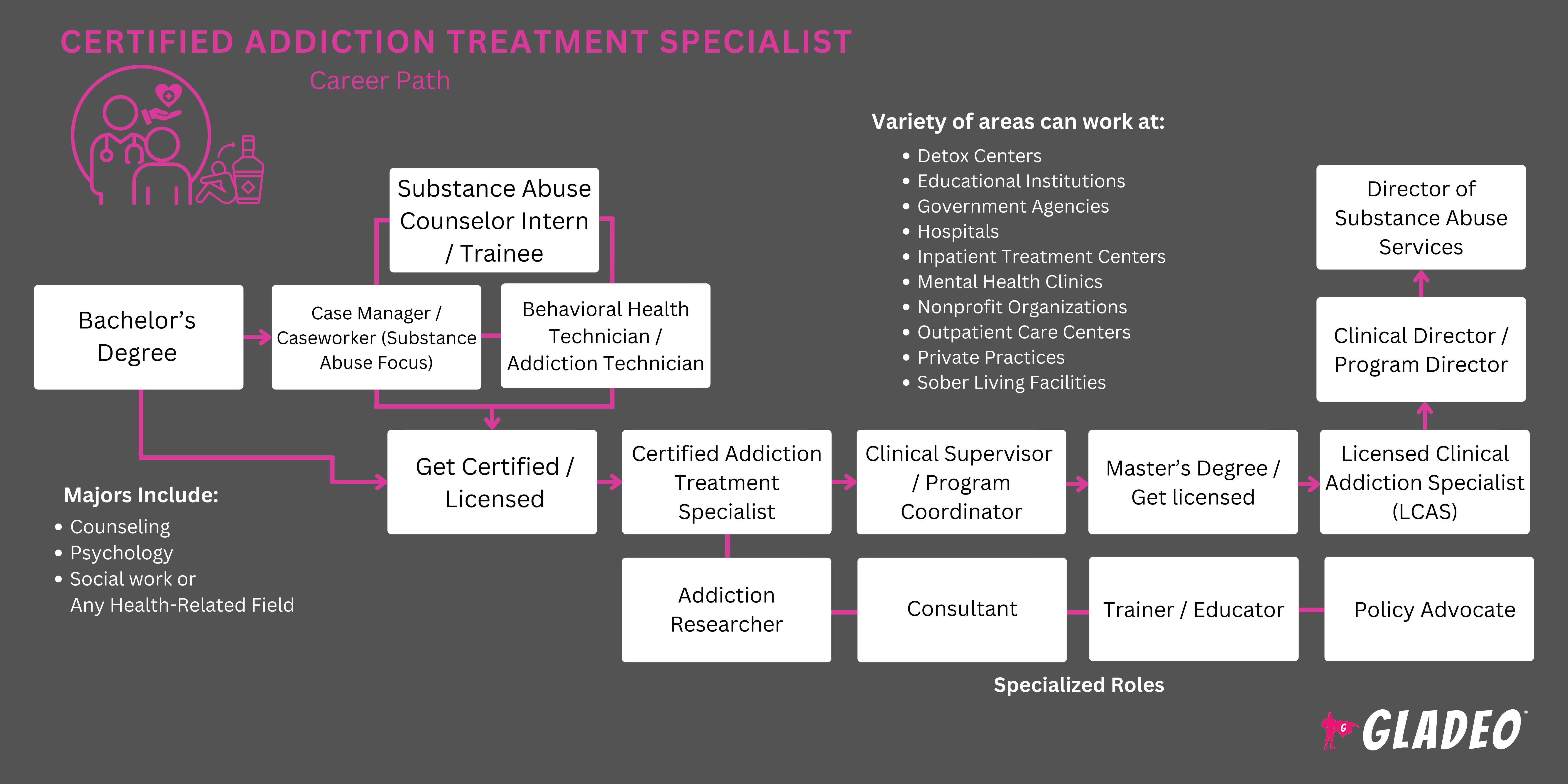
Click here to download the infographic
Newsfeed

Featured Jobs
Online Courses and Tools
Annual Salary Expectations
New workers start around $112K. Median pay is $146K per year. Highly experienced workers can earn around $146K.